
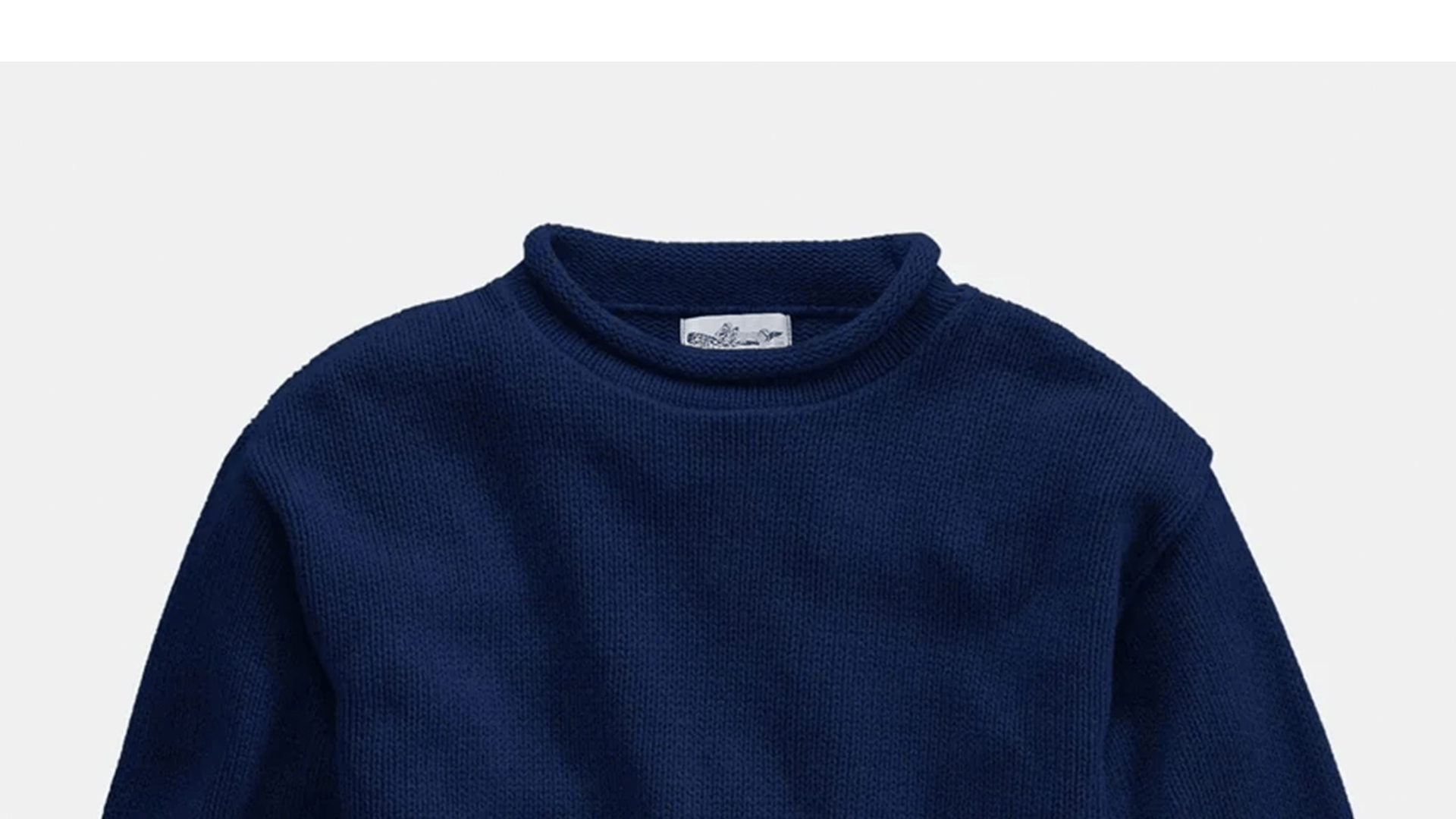
Why Most Sweaters Today Contain Plastic
If you check the material label on many sweaters today, you’ll often see synthetic fibers such as acrylic, polyester, or nylon listed in the fabric composition. These materials are all forms of plastic-based fibers that are manufactured from petroleum.
While sweaters were historically made from natural fibers like wool, cotton, or alpaca, the widespread use of synthetic materials began in the late 20th century as the clothing industry shifted toward lower-cost mass production.
Understanding why plastic fibers became so common in sweaters helps explain how modern clothing is manufactured—and why natural-fiber knitwear has become less common.

What Plastic Fibers Are Used in Sweaters?
Several synthetic fibers are widely used in knitwear today.
Acrylic
Acrylic is the most common plastic fiber used in sweaters. It was originally developed to imitate wool and is frequently used in inexpensive knitwear.
Polyester
Polyester is another petroleum-based fiber used in clothing. It is often blended with other materials to increase durability and reduce cost.
Nylon
Nylon is sometimes added in small percentages to increase stretch or reinforce knit structures.
Because these materials are produced from synthetic polymers, they are considered plastic-based fibers even though they are spun into soft yarns that resemble traditional textile materials.
Why Acrylic Became Common in Sweaters
Acrylic yarn was introduced in the mid-20th century as a synthetic alternative to wool. Manufacturers quickly adopted it because it offered several advantages for large-scale clothing production.
Acrylic yarn is:
-
inexpensive to manufacture
-
lightweight
-
easy to dye in many colors
-
resistant to shrinking
-
consistent in texture and thickness
These characteristics make acrylic attractive for factories producing sweaters in large quantities.
For brands competing in price-driven retail markets, acrylic allows sweaters to be sold at lower price points than garments made entirely from natural fibers.
The Shift to Overseas Manufacturing
Another reason synthetic fibers became common is the globalization of apparel manufacturing.
Beginning in the 1980s and 1990s, many clothing companies moved production overseas to reduce labor costs. At the same time, retailers began demanding lower wholesale prices in order to sell clothing more competitively.
Synthetic fibers helped manufacturers meet those price pressures because they are cheaper and easier to produce in large volumes than many natural materials.
When garments are produced in very large quantities, consistency becomes extremely important. Plastic-based fibers provide uniform yarn that can run efficiently on industrial knitting machines.
Natural fibers, by contrast, can vary slightly from batch to batch and may require more careful handling.
Fast Fashion Accelerated the Trend
The rise of fast fashion further increased the use of plastic fibers in sweaters.
Fast fashion emphasizes:
-
rapid production cycles
-
low retail prices
-
frequent seasonal collections
To support this model, brands often rely on materials that are inexpensive and easy to manufacture quickly.
Synthetic fibers like acrylic and polyester fit this model well because they allow garments to be produced cheaply and replaced frequently as styles change.
This approach prioritizes speed and affordability, but it also means that many sweaters today contain at least some plastic-based fibers.
Why Many Sweaters Use Fiber Blends
Many sweaters today are made from fiber blends, which combine natural and synthetic materials.
For example, a sweater labeled as wool might contain:
-
60% wool
-
40% acrylic
Blending fibers allows manufacturers to lower costs while maintaining some of the appearance or texture of natural materials.
Blends can also change the performance of the garment by altering stretch, weight, or durability.
However, even small percentages of synthetic fibers mean that a garment still contains plastic-based materials.
Natural Fiber Sweaters vs Synthetic Sweaters
Natural and synthetic fibers behave differently when worn.
Natural fiber sweaters
Natural materials such as cotton or wool tend to offer:
-
breathability
-
temperature regulation
-
natural softness
-
durability over time
Because natural fibers interact differently with moisture and temperature, they can feel more comfortable across a range of conditions.
Synthetic fiber sweaters
Plastic-based fibers like acrylic and polyester can offer:
-
lower cost
-
color consistency
-
lightweight construction
However, synthetic fibers may also trap heat or feel less breathable than natural materials.
For this reason, many people who prefer natural fabrics seek out sweaters made primarily from cotton, wool, or other traditional fibers.
Cotton Sweaters as an Alternative
Cotton sweaters represent one of the most common alternatives to acrylic-based knitwear.
Cotton offers several qualities that make it well suited to sweaters:
-
breathable fibers that allow air circulation
-
natural softness against the skin
-
durability with repeated wear
-
comfortable weight and structure
Unlike synthetic fibers, cotton is a natural material derived from plant fibers.
For many people, cotton sweaters provide warmth while remaining comfortable across a wider range of temperatures.
A Return to Traditional Knitwear
Although synthetic fibers dominate much of the clothing industry today, interest in natural fiber knitwear has grown in recent years.
With consumers increasingly interested in natural materials, transparency in fiber composition, and garments made using traditional techniques
At WhalerKnits, the focus is on producing 100% cotton sweaters made in the USA, using natural materials instead of acrylic or plastic-based fibers, doing our part to preserve older traditions of knitwear manufacturing.
By emphasizing cotton knitwear and classic sweater construction, the goal is to create garments designed for long-term comfort and durability rather than short seasonal trends.
Why Understanding Sweater Materials Matters
When choosing knitwear, understanding the materials used in a sweater can help consumers make more informed decisions.
Fiber composition affects:
-
comfort
-
breathability
-
durability
-
long-term wear
By checking garment labels and learning about the differences between natural and synthetic fibers, shoppers can better understand how a sweater was made and how it may perform over time.
Whether someone prefers wool, cotton, or blended materials, awareness of fiber content provides valuable insight into the quality and construction of knitwear.
Key Takeaway
Many sweaters today contain plastic-based fibers because synthetic materials are inexpensive, easy to manufacture at scale, and widely used in fast-fashion production.
However, natural fiber sweaters—such as cotton or wool knitwear—continue to be produced by brands that focus on traditional materials and craftsmanship.
Understanding the differences between these materials allows shoppers to choose sweaters that match their preferences for comfort, durability, and transparency in clothing production.

